

The historical journey of gambling from ancient rituals to modern games
Origins of Gambling in Ancient Civilizations
The roots of gambling can be traced back to ancient civilizations, where it served both recreational and religious purposes. Archaeological findings suggest that as early as 3000 BC, the Chinese engaged in rudimentary gambling activities with the use of dice and rudimentary betting games. Similarly, ancient Egyptian culture incorporated games of chance, often linking them to divine favor or fortune. This early gambling, as seen in platforms like Betsio Casino UK, reflected societal values, intertwining with rituals and celebrations, making it a cultural cornerstone.

In addition to China and Egypt, other ancient societies like the Greeks and Romans made significant contributions to gambling traditions. The Greeks had a fondness for games such as knucklebones, akin to modern-day dice, often played during festivals. Meanwhile, the Romans integrated gambling into their societal activities, famously betting on chariot races and gladiatorial contests. Such practices laid the groundwork for gambling to evolve into a more structured activity, influencing future generations.
These early forms of gambling were not merely games of chance; they were often imbued with spiritual significance. People believed that their outcomes were influenced by the gods, leading to the incorporation of rituals meant to curry favor. This intersection of chance and faith highlights the complexity of gambling’s origins, setting a foundation for how it would be perceived in various cultures throughout history.
Gambling in the Middle Ages
The Middle Ages marked a significant evolution in gambling, characterized by the establishment of more organized games and betting systems. This era saw the introduction of card games, which originated in China and spread to Europe by the 14th century. The emergence of these games sparked a cultural revolution, as they soon became popular among the nobility. With an increasing variety of games, gambling began transitioning into a social pastime rather than merely a ritualistic act.
During this time, regulations surrounding gambling started to surface. Governments recognized the potential for both profit and social strife arising from unregulated betting. Laws were put in place to control gambling activities, reflecting societal concerns about gambling addiction and its impact on families. Despite these regulations, gambling remained a widespread activity, often associated with the elite and social gatherings.
In addition to card games, the introduction of lotteries during the Middle Ages played a pivotal role in the gambling landscape. These public lotteries, often organized by local governments, not only provided funds for public projects but also engaged citizens in a collective form of entertainment. The perception of lotteries shifted from being solely a gamble to a form of civic duty, further illustrating the multifaceted nature of gambling during this period.
The Rise of Casinos and Structured Gambling
The 17th century heralded the establishment of the first modern casinos in Europe, signaling a turning point in the history of gambling. The Venetian Casino, which opened in 1638, set a precedent for luxury and sophistication in gaming establishments. Such venues provided not just gaming options but also social environments where individuals could mingle, reinforcing the idea that gambling was as much a social experience as it was a financial gamble.
As casinos proliferated, so did the variety of games available to players. Games like baccarat, roulette, and poker began to gain popularity, each bringing its unique set of rules and strategies. The structured nature of these games further attracted a diverse range of participants, from the wealthy elite to the emerging middle class. This democratization of gambling expanded its appeal and embedded it deeper into societal norms.
Moreover, the advent of the Industrial Revolution in the 18th and 19th centuries brought about significant changes in gambling practices. With urbanization, people began flocking to cities, where gambling houses flourished. This led to the rise of both legal and illegal establishments, sparking discussions about regulation and moral implications. The contrasting views on gambling—ranging from a social pastime to a vice—highlighted the ongoing debate that persists in modern society.
Gambling in the 20th Century and Beyond
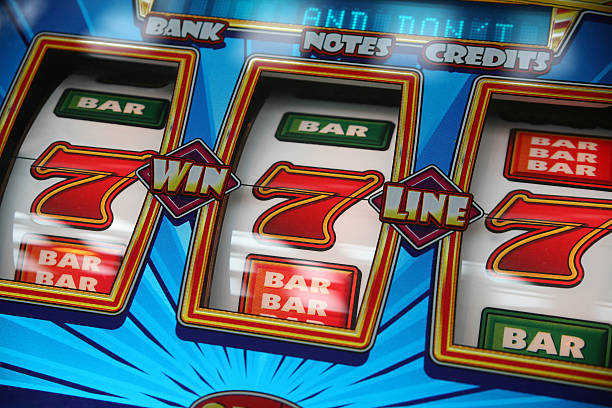
The 20th century witnessed a dramatic transformation in the gambling landscape, driven largely by technological advancements and changing societal attitudes. The introduction of slot machines in the early 1900s revolutionized gambling, offering a new, accessible form of entertainment. These machines quickly became a staple in bars and gaming establishments, attracting a wider audience and leading to the establishment of dedicated casinos.
Post-World War II, a relaxation of gambling laws in various regions allowed for the explosion of casino culture, particularly in places like Las Vegas and Atlantic City. These cities became synonymous with gambling, offering extravagant experiences that combined entertainment with the thrill of betting. This era saw the rise of celebrity endorsements, lavish shows, and themed casinos, transforming gambling into a mainstream activity.
The late 20th century also marked the emergence of online gambling, changing the way people engage with games of chance. The rise of the internet facilitated the creation of online casinos, making gambling more accessible than ever. Players could now enjoy their favorite games from the comfort of their homes, leading to a surge in participation. This technological innovation opened up new markets and prompted ongoing discussions about regulation, safety, and responsible gaming practices.
Modern Gambling and Online Platforms
Today, gambling has reached unprecedented heights, particularly with the rise of online gaming platforms. Websites like Betsio Casino offer an expansive selection of games that cater to diverse player preferences. From traditional table games to innovative slot machines and live dealer experiences, modern casinos embrace technology to enhance user engagement, providing immersive and interactive options.
Modern gambling also emphasizes responsible gaming and player protection, a crucial aspect that has emerged from the industry’s evolution. Platforms implement measures to ensure a secure betting environment, incorporating tools for self-exclusion and limits on deposits. This commitment reflects a shift towards prioritizing player welfare alongside entertainment, acknowledging the potential risks associated with gambling.
Furthermore, the integration of mobile technology has transformed how players interact with gaming platforms. Mobile-friendly interfaces allow users to enjoy a seamless experience on their devices, making gambling more accessible than ever. This shift not only broadens the audience but also indicates a significant trend in the future of gambling, where convenience and safety go hand in hand.