

Cultural perceptions of gambling How society shapes our views and choices
Historical Context of Gambling
Gambling has a long-standing history, deeply rooted in various cultures across the globe. Its origins can be traced back to ancient civilizations where games of chance were played as a form of entertainment and a means to predict the future. For example, the Chinese and Romans indulged in gambling activities, integrating them into their social fabric. As societies evolved, so did the perception of gambling, reflecting broader attitudes toward chance, risk, and fortune. Nowadays, platforms like NeoSpin Casino Australia offer a variety of games, showcasing modern elements of luck and skill integrated into the experience, such as https://neospins-au.com.
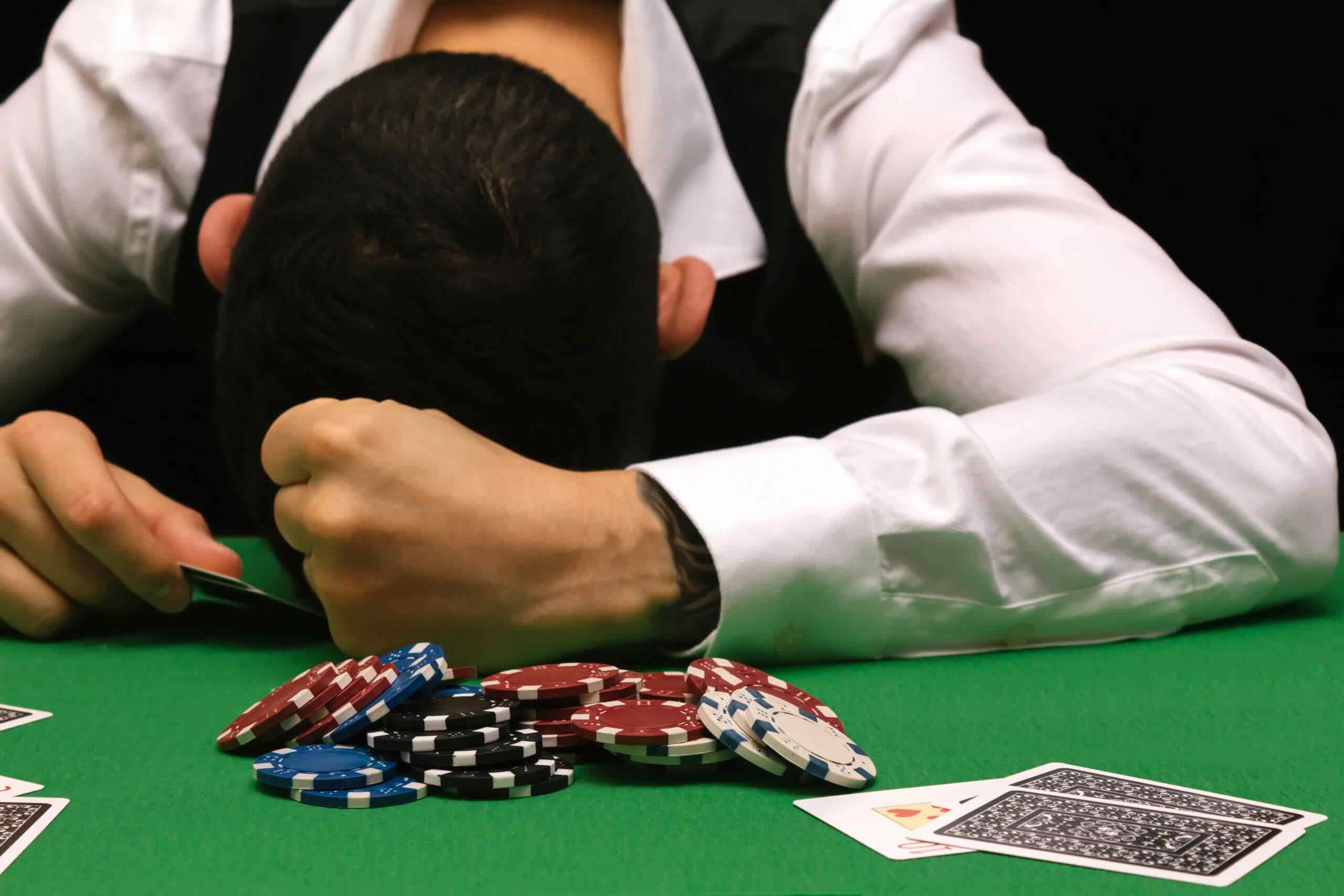
In the modern era, gambling has transitioned from informal gatherings to regulated industries, impacting how society views these activities. Many cultures perceive gambling as a harmless pastime, while others regard it with skepticism, associating it with moral decline and addiction. This dichotomy illustrates how historical context shapes contemporary attitudes, revealing a complex relationship between social norms and gambling behavior.
Throughout history, various societal factors—including religion, economics, and law—have influenced the acceptance and regulation of gambling. For instance, in countries where religion plays a significant role, such as Islamic states, gambling is strictly prohibited. In contrast, Western nations often embrace it as a legitimate form of entertainment, further demonstrating the impact of cultural perception on gambling practices.
Luck vs. Skill: A Cultural Perspective
The debate surrounding luck versus skill in gambling significantly shapes societal views on the activity. In many cultures, gambling is often perceived as a game of chance where luck plays a predominant role. This perspective is particularly prevalent in games like lotteries and slot machines, where outcomes seem entirely random. The notion of luck can promote a carefree approach to gambling, where players see wins as fortuitous rather than the result of skillful play. However, it is essential to acknowledge that a balanced understanding of luck and skill can enhance the overall gaming experience.
Conversely, other cultures emphasize skill-based gambling, such as poker or blackjack, where strategic thinking and experience can influence outcomes. This skill-oriented perspective fosters a more serious approach to gambling, as players invest time in mastering the games. The cultural valuation of skill versus luck can lead to differing levels of acceptance and participation in gambling, impacting how individuals engage with these activities and the associated risks.
Moreover, these differing perceptions can affect legislative approaches toward gambling. Regions that view gambling primarily as a game of luck may implement stricter regulations to protect players from potential addiction, while areas that recognize skill might promote gambling as a legitimate competitive activity. Thus, societal views on luck and skill play a pivotal role in shaping not only individual choices but also broader gambling policies.
Social Influences on Gambling Behavior
The social environment plays a crucial role in shaping individual attitudes toward gambling. Family background, peer influences, and community norms contribute to how people perceive and engage in gambling activities. For instance, individuals raised in families that gamble may adopt similar behaviors, normalizing the activity as part of their social interactions. This familial influence can create a cycle where gambling becomes integrated into community culture.
Peer pressure and social acceptance can also drive individuals to gamble. In cultures where gambling is celebrated—such as during major sporting events or community festivals—people may feel encouraged to participate, even if they are otherwise ambivalent about the activity. This social acceptance can often lead to increased gambling behavior, as individuals seek to fit in with their peers, highlighting the importance of societal context in shaping personal choices.
However, social stigma surrounding gambling can also lead to concealed behaviors. In societies where gambling is viewed negatively, individuals may engage in gambling discreetly, fearing judgment or ostracism. This duality of social influence underscores the complexity of gambling perceptions, illustrating how societal attitudes can both encourage and deter participation, thus impacting individual choices significantly.
Media Representation and Its Impact
The portrayal of gambling in media significantly shapes public perception and attitudes toward the activity. Movies, television shows, and advertisements often glamorize gambling, depicting it as a thrilling and lucrative endeavor. This representation can create a romanticized view of gambling, leading audiences to underestimate the risks involved. As a result, individuals may be more inclined to engage in gambling activities, believing they can achieve similar success.
Conversely, negative media portrayals, such as documentaries focusing on addiction and loss, can instill fear and caution in potential gamblers. Such representations highlight the dangers of gambling, reinforcing societal concerns regarding problem gambling and its consequences. This dual portrayal emphasizes the power of media in shaping public opinion and influencing individual behaviors towards gambling.
Furthermore, the rise of online gambling has changed how media influences perceptions. With targeted advertising and the accessibility of online casinos, individuals are bombarded with messages promoting gambling as a fun and easy way to win money. This constant exposure can normalize gambling in society, encouraging more people to view it as a mainstream activity rather than a risky endeavor.

NeoSpin Casino: A Reflection of Contemporary Gambling Culture
NeoSpin Casino embodies the modern landscape of online gaming, representing the evolving cultural perceptions of gambling. As a platform catering to Australian players, it reflects the increasing acceptance of digital gambling as a legitimate form of entertainment. The extensive library of games, including pokies and table games, showcases how technology has transformed traditional gambling experiences into engaging and interactive formats.
By providing a user-friendly interface and comprehensive support, NeoSpin Casino appeals to a broad audience, from casual players to those seeking more strategic games. This inclusivity aligns with contemporary societal trends, where gambling is often seen as a recreational activity rather than merely a vice. The promotional offers and community engagement also highlight how online casinos are adapting to cultural preferences, fostering a sense of belonging and participation among players.
Ultimately, NeoSpin Casino serves as a reflection of how societal perceptions of gambling continue to evolve. As attitudes shift, online platforms like NeoSpin are at the forefront, influencing and shaping the future of gambling in a way that resonates with contemporary values and preferences.